Reflections · June 28, 2026
On Making Things Easier
On spurning efficiency, and Kierkegaard's case for deliberately making some things harder.
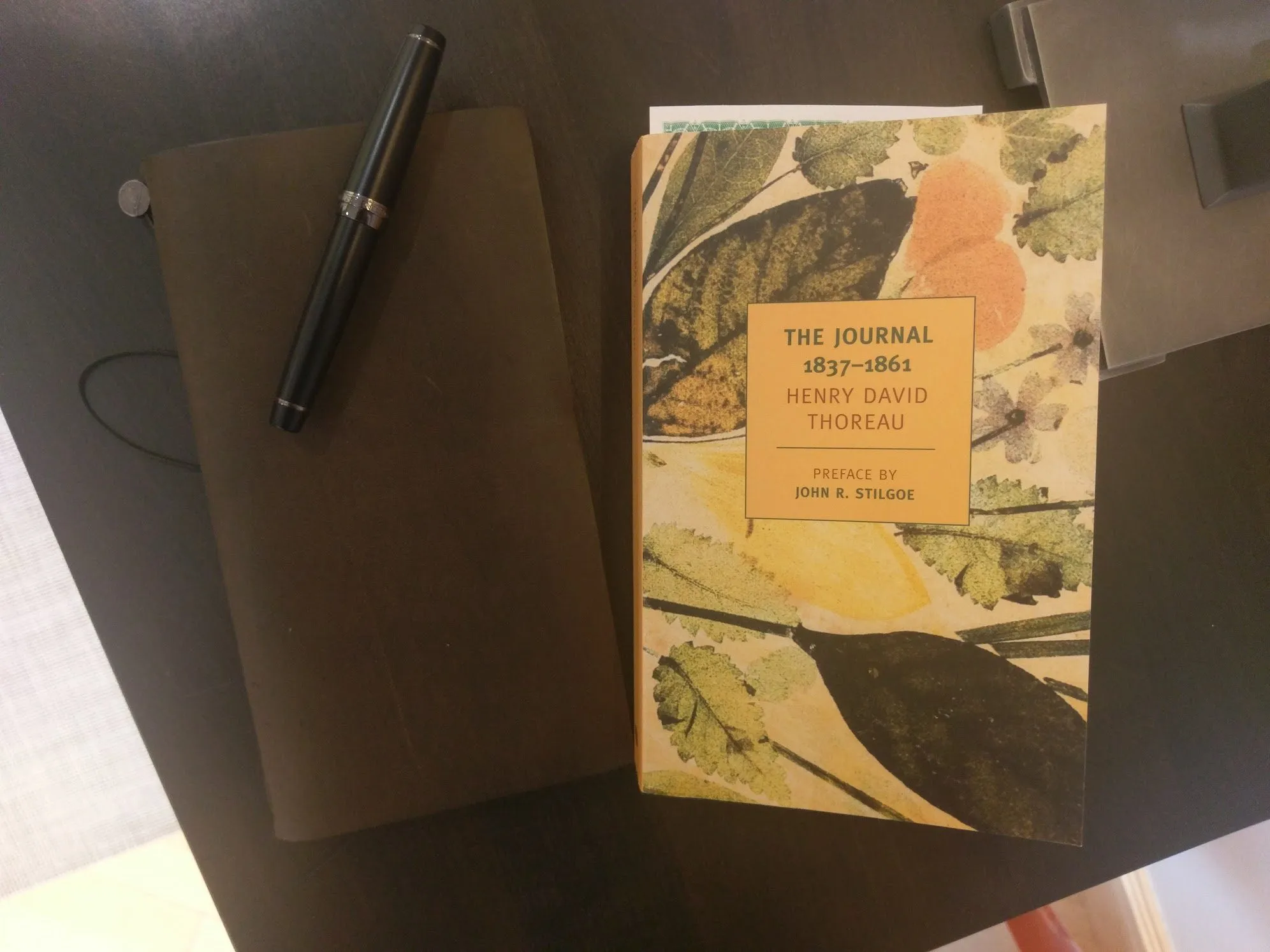
It’s been important to me for some time now to intentionally engage in activities in a slower, more cumbersome way. To spurn efficiency in favor of a deeper connection to the experience itself. Not all activities, to be sure, but to have some that I do “the hard way” so-to-speak. For example writing in a physical journal, stacking firewood and using a wood burning stove for heat in the winter. I’m thinking of Kierkegaard here when he wrote:
“Wherever you look about you, in literature and life, you see the celebrated names and figures, the precious and much heralded men who are coming into prominence and are much talked about, the many benefactors of the age who know how to benefit mankind by making life easier and easier, some by railways, others by omnibuses and steamboats, others by the telegraph, others by easily apprehended compendiums and short recitals of everything worth knowing, and finally the true benefactors of the age who make spiritual existence in virtue of thought easier and easier… . You must do something, but inasmuch as with your limited capacities it will be impossible to make anything easier than it has become, you must, with the same humanitarian enthusiasm as the others, undertake to make something harder.”
— Søren Kierkegaard, Concluding Unscientific Postscript
Doing things in a more difficult, “less efficient” way, can be tremendously gratifying. Writing by hand rather than typing, doing any amount of manual labor without hiring someone else to do it for you, and in the age of AI there are more and more radical acts that can be undertaken: writing one’s own words rather than feeding a prompt into a chatbot and then copying and pasting the reply, reading primary texts that were written by humans, figuring out what you think about something rather than allowing the hive mind to determine what the “right” way to interpret something is. All of this adds something essential to our life, and life cannot be about always finding ways to making things easier. Because in that end, what is left?