Reflections · July 8, 2026
Nietzsche on Reflection
On a passage from The Gay Science, and reflection as a lost art worth preserving.
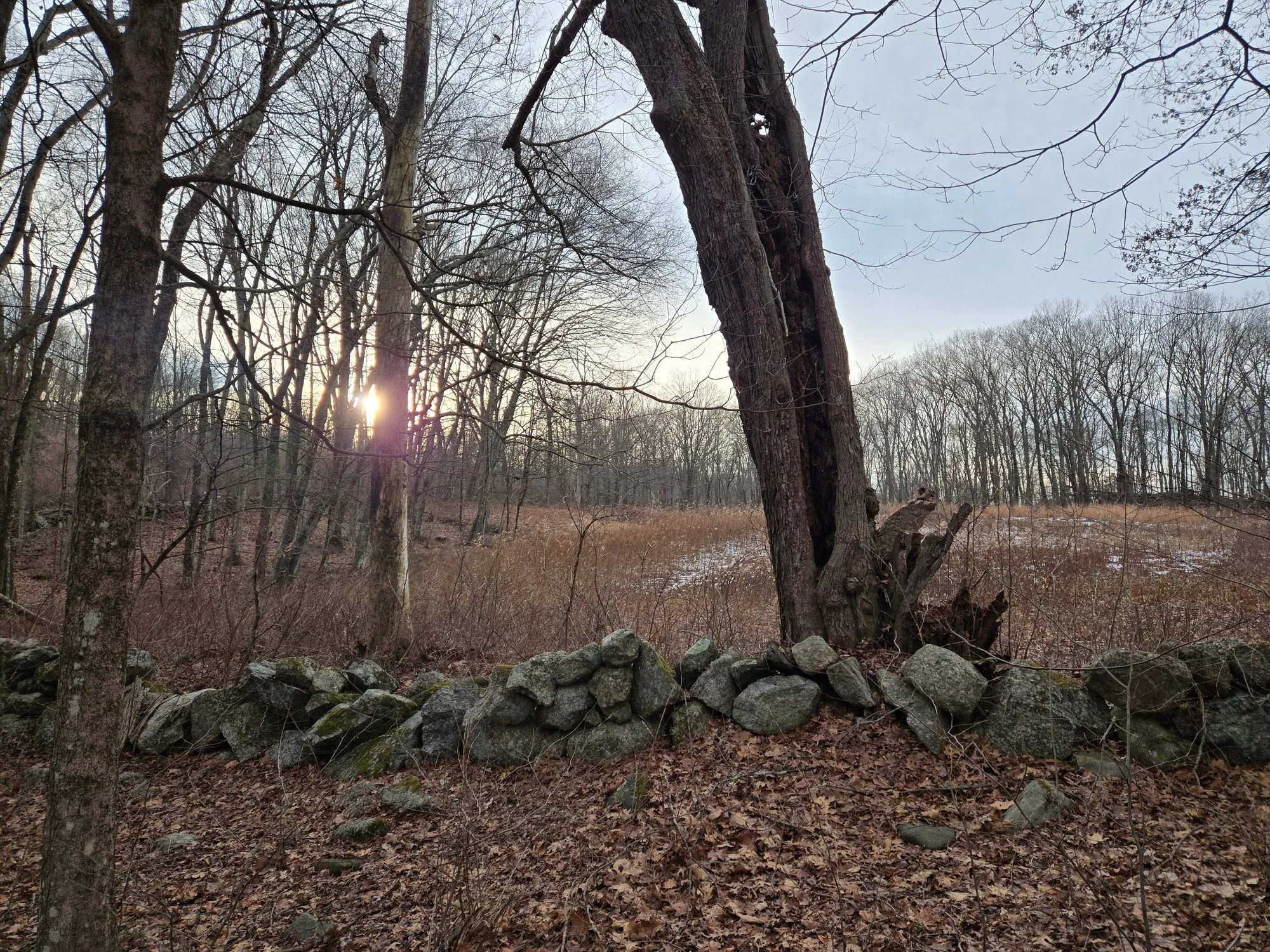
I came across a passage in The Gay Science recently that says:
“Reflection has lost all its dignity of form: we have made a laughing-stock of the ceremony and solemn gestures of reflection, and can’t stand an old-style wise man. We think too fast, while on our way somewhere, while walking or in the midst of all sorts of business, even when thinking of the most serious things…”
— Friedrich Nietzsche, The Gay Science
I can’t help but feel Nietzsche would be aghast at the ways thinking, and the “solemn gestures of reflection” have only been further deteriorated. It feels that not only have the gestures disappeared, but deep thinking and reflection itself is going with it. Our attention spans have been compressed to fit the appetites of advertisers and media companies, and there is a clear uneasiness people now feel if they aren’t told what opinion they should hold about something. How many people, for example, watch a film without first looking at the reviews? They must know before seeing it whether or not it is “good”. The idea of forming one’s own opinion and risking seeing a “bad” movie, or worse yet expressing positive feelings about a movie that has been reviewed as “bad”, feels unbearable.
So the “form” of reflection that Nietzsche is referring to is really an affirmation of the value of reflection itself. Reflection as the act of slowing down and thinking, deeply and deliberately, on one’s own. It’s a lost art, rarer still by the day, but one worth preserving. Nietzsche, here as in many other cases, was on to something.